Tri-Campus Undergraduate Research Conference (TURC)
Tri-Campus Undergraduate Research Conference (TURC)
Tri-Campus Undergraduate Research Conference (TURC)
Join us for the UofT Tri-Campus Undergraduate Research Conference, a one-day celebration of the ideas, discoveries, and creativity shaping the future of research at the University of Toronto. Students from all three campuses will share their work through oral and poster presentations, connect with peers, scholars, and industry professionals, and learn from our keynote speakers whose research is shaping science. Whether you’re presenting, exploring research for the first time, or simply curious, this conference is your space to be inspired, network, and experience the breadth of undergraduate research at UofT.
Join us for the UofT Tri-Campus Undergraduate Research Conference, a one-day celebration of the ideas, discoveries, and creativity shaping the future of research at the University of Toronto. Students from all three campuses will share their work through oral and poster presentations, connect with peers, scholars, and industry professionals, and learn from our keynote speakers whose research is shaping science. Whether you’re presenting, exploring research for the first time, or simply curious, this conference is your space to be inspired, network, and experience the breadth of undergraduate research at UofT.
Keynote and Faculty Speakers
Keynote and
Faculty Speakers
Keynote Speaker:
Dr. Molly S. Shoichet
Keynote Speaker:
Dr. Molly S. Shoichet
Dr. Molly Shoichet is a pioneering biomedical engineer whose work sits at the interface of chemistry, material science, and medicine. Her laboratory develops smart biomaterials and engineered tissue microenvironments to understand disease biology and enable regenerative therapies. Central to this work are hydrogels, water-rich polymer networks that can deliver cells and therapeutics directly to damaged tissues and serve as sophisticated 3D culture systems for modeling disease.
Shoichet’s research has illuminated how engineered biomaterials can promote neural protection after spinal cord injury, restore vision by supporting retinal cell survival, enhance drug penetration into solid tumors, and accelerate the discovery of new therapies. Her innovations represent a paradigm shift in regenerative medicine: instead of asking tissues to heal in hostile environments, her materials create microenvironments that enable healing.
Beyond the lab, Dr. Shoichet is a champion for science outreach, mentorship, and women in STEM. As Ontario’s inaugural Chief Scientist, she helped embed research within government decision-making, and through Research2Reality she has amplified public access to Canadian science.
Her keynote will highlight how convergence across engineering, chemistry, and biology is enabling the next generation of regenerative therapeutics, and how innovative biomaterials can move ideas from the bench toward real-world medical impact.
Dr. Molly Shoichet is a pioneering biomedical engineer whose work sits at the interface of chemistry, material science, and medicine. Her laboratory develops smart biomaterials and engineered tissue microenvironments to understand disease biology and enable regenerative therapies. Central to this work are hydrogels, water-rich polymer networks that can deliver cells and therapeutics directly to damaged tissues and serve as sophisticated 3D culture systems for modeling disease.
Shoichet’s research has illuminated how engineered biomaterials can promote neural protection after spinal cord injury, restore vision by supporting retinal cell survival, enhance drug penetration into solid tumors, and accelerate the discovery of new therapies. Her innovations represent a paradigm shift in regenerative medicine: instead of asking tissues to heal in hostile environments, her materials create microenvironments that enable healing.
Beyond the lab, Dr. Shoichet is a champion for science outreach, mentorship, and women in STEM. As Ontario’s inaugural Chief Scientist, she helped embed research within government decision-making, and through Research2Reality she has amplified public access to Canadian science.
Her keynote will highlight how convergence across engineering, chemistry, and biology is enabling the next generation of regenerative therapeutics, and how innovative biomaterials can move ideas from the bench toward real-world medical impact.
Faculty Speaker:
Dr. Minoru Koyama
Faculty Speaker:
Dr. Minoru Koyama
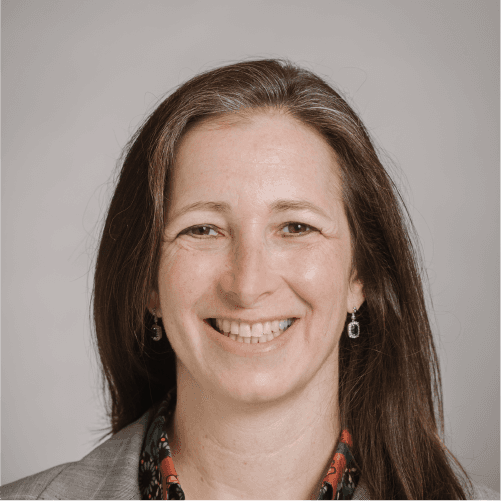
From early reflexes to coordinated movement, animals gradually build complex behaviours as their nervous systems mature. Dr. Koyama studies how neural circuits develop to make this possible, asking how neurons form, connect, and evolve into functional motor networks. Using zebrafish, whose transparent embryos and genetic tools allow real-time imaging of neural activity, his lab maps how circuits in the brain and spinal cord generate and refine movement. This research sheds light on the biology of neurodevelopmental disorders and how disruptions in circuit formation can lead to long-term motor impairments.
For STEM students, his work highlights how genetics, imaging technology, physics, engineering, data science, and neuroscience come together to decode brain development. It shows that behaviour is not just psychological, it is built, cell by cell, into neural circuits and can now be measured and understood through cutting-edge technology.
From early reflexes to coordinated movement, animals gradually build complex behaviours as their nervous systems mature. Dr. Koyama studies how neural circuits develop to make this possible, asking how neurons form, connect, and evolve into functional motor networks. Using zebrafish, whose transparent embryos and genetic tools allow real-time imaging of neural activity, his lab maps how circuits in the brain and spinal cord generate and refine movement. This research sheds light on the biology of neurodevelopmental disorders and how disruptions in circuit formation can lead to long-term motor impairments.
For STEM students, his work highlights how genetics, imaging technology, physics, engineering, data science, and neuroscience come together to decode brain development. It shows that behaviour is not just psychological, it is built, cell by cell, into neural circuits and can now be measured and understood through cutting-edge technology.
From early reflexes to coordinated movement, animals gradually build complex behaviours as their nervous systems mature. Dr. Koyama studies how neural circuits develop to make this possible, asking how neurons form, connect, and evolve into functional motor networks. Using zebrafish, whose transparent embryos and genetic tools allow real-time imaging of neural activity, his lab maps how circuits in the brain and spinal cord generate and refine movement. This research sheds light on the biology of neurodevelopmental disorders and how disruptions in circuit formation can lead to long-term motor impairments.
For STEM students, his work highlights how genetics, imaging technology, physics, engineering, data science, and neuroscience come together to decode brain development. It shows that behaviour is not just psychological, it is built, cell by cell, into neural circuits and can now be measured and understood through cutting-edge technology.
Faculty Speaker:
Dr. Ellen Abrams
Faculty Speaker:
Dr. Ellen Abrams
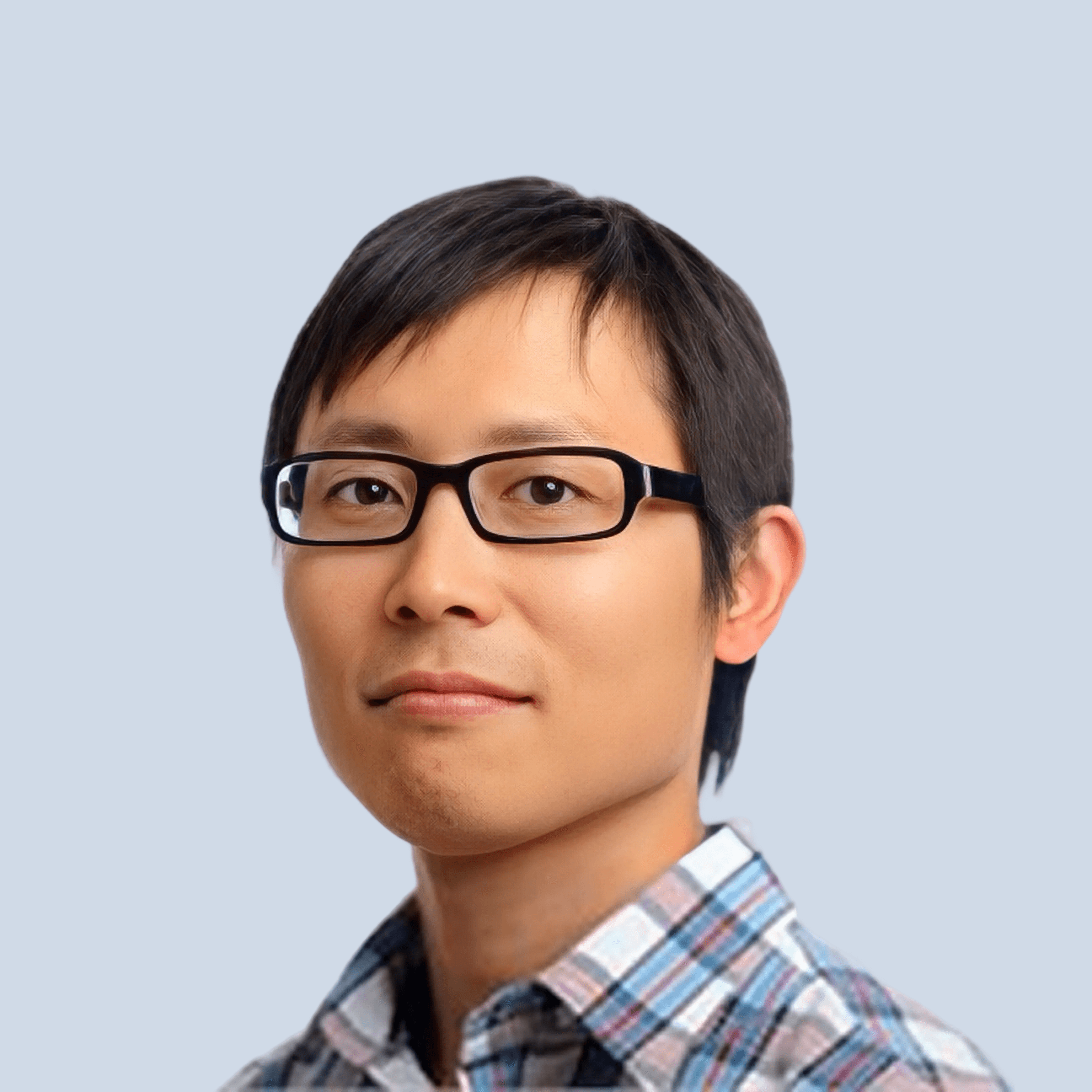
Professor Abrams’ research investigates how mathematical knowledge is created, who is allowed to participate in its development, and how cultural forces shape scientific practice. Her current book project examines the rise of American mathematics in the early 20th century and reveals how ideas about masculinity influenced what counted as “rigorous” mathematics and who could be regarded as a legitimate mathematician. She also studies how data practices travel across institutions and borders, influencing how societies define evidence, authority, and expertise in the age of big data.
Her work uniquely connects intellectual history, gender analysis, and the politics of knowledge offering a powerful lens on how science is shaped not only by logic and proof, but by culture, identity, and power.
We often think of mathematics and science as purely objective, but Professor Abrams’ research challenges that assumption. She examines how cultural values, gender norms, and institutional power shaped the development of modern mathematics including who was allowed to participate and whose work was taken seriously. By studying the early growth of American mathematical research, she reveals how ideas about authority and masculinity influenced which methods and people were elevated in the field.
Her work shows that scientific knowledge is not produced in isolation, but within social and historical contexts. For students across disciplines, her research offers a compelling reminder that understanding how knowledge is built and who gets included in that process is essential for shaping a more thoughtful, rigorous, and inclusive research landscape.
Professor Abrams’ research investigates how mathematical knowledge is created, who is allowed to participate in its development, and how cultural forces shape scientific practice. Her current book project examines the rise of American mathematics in the early 20th century and reveals how ideas about masculinity influenced what counted as “rigorous” mathematics and who could be regarded as a legitimate mathematician. She also studies how data practices travel across institutions and borders, influencing how societies define evidence, authority, and expertise in the age of big data.
Her work uniquely connects intellectual history, gender analysis, and the politics of knowledge offering a powerful lens on how science is shaped not only by logic and proof, but by culture, identity, and power.
We often think of mathematics and science as purely objective, but Professor Abrams’ research challenges that assumption. She examines how cultural values, gender norms, and institutional power shaped the development of modern mathematics including who was allowed to participate and whose work was taken seriously. By studying the early growth of American mathematical research, she reveals how ideas about authority and masculinity influenced which methods and people were elevated in the field.
Her work shows that scientific knowledge is not produced in isolation, but within social and historical contexts. For students across disciplines, her research offers a compelling reminder that understanding how knowledge is built and who gets included in that process is essential for shaping a more thoughtful, rigorous, and inclusive research landscape.
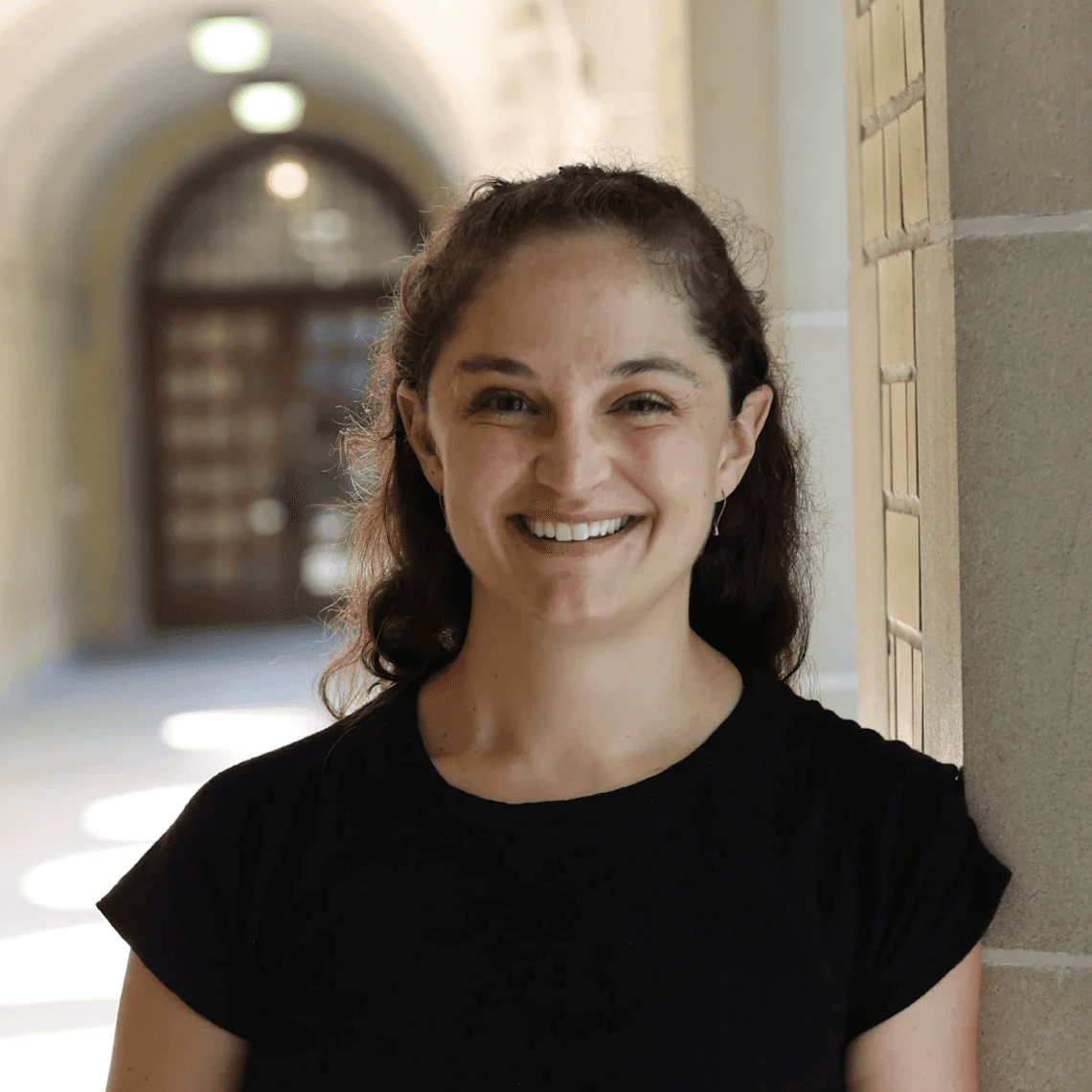
Faculty Speaker:
Dr. Valeria Ramaglia
Faculty Speaker:
Dr. Valeria Ramaglia
Dr. Ramaglia is a neuroimmunologist with expertise on the role of the complement system in the brain. For many years, the brain was thought to be ‘sealed’ from the rest of the body’s immune system. We now appreciate that communication between immune cells and brain-resident cells is not a one-way street; we have learned that specialized pockets in the brain are not immunoprivileged; and we know that immune components can even be produced by brain-resident cells. For instance, key immune proteins known as ‘complement’ are produced by brain-resident cells and can be activated within the brains of people with autoimmune or neurodegenerative diseases. However, the triggers and consequences of complement activation in the brain are not fully understood. On one hand complement may help clear cellular debris while on the other hand it could promote neuroinflammation and drive disease progression. Dr. Ramaglia’s research goal is to uncover new roles for complement in the brain during health, neuroinflammation and neurodegeneration, particularly in the context of multiple sclerosis and traumatic brain injury. Her approach integrates analyses of post-mortem human brain tissue, biofluids from living patients, and functional studies in animal models, offering a powerful platform to understand and treat immune-mediated brain pathology.
Dr. Ramaglia is a neuroimmunologist with expertise on the role of the complement system in the brain. For many years, the brain was thought to be ‘sealed’ from the rest of the body’s immune system. We now appreciate that communication between immune cells and brain-resident cells is not a one-way street; we have learned that specialized pockets in the brain are not immunoprivileged; and we know that immune components can even be produced by brain-resident cells. For instance, key immune proteins known as ‘complement’ are produced by brain-resident cells and can be activated within the brains of people with autoimmune or neurodegenerative diseases. However, the triggers and consequences of complement activation in the brain are not fully understood. On one hand complement may help clear cellular debris while on the other hand it could promote neuroinflammation and drive disease progression. Dr. Ramaglia’s research goal is to uncover new roles for complement in the brain during health, neuroinflammation and neurodegeneration, particularly in the context of multiple sclerosis and traumatic brain injury. Her approach integrates analyses of post-mortem human brain tissue, biofluids from living patients, and functional studies in animal models, offering a powerful platform to understand and treat immune-mediated brain pathology.